
Canadian artisan brands are defined by handcrafted production, ethical sourcing, and a direct connection between maker and buyer. The best Canadian artisan brands to shop in 2026 go far beyond aesthetics. They carry stories of Indigenous heritage, slow fashion values, and community investment that mass production simply cannot replicate. Whether you are searching for a meaningful gift, a nursery essential, or a piece of wearable art, Canadian artisans offer something that lasts. Cosmicwavebaby, an Indigenous-owned marketplace, is built on exactly this belief: that every purchase should mean something.
What makes Canadian artisan brands worth supporting?
Canadian artisan brands stand apart because they prioritise people and process over speed and volume. Where fast fashion and mass manufacturing cut corners on wages and materials, Canadian makers do the opposite. Slow fashion in Canada counters fast fashion’s ethical failures by offering transparent supply chains and fair wages. That transparency means the price you pay reflects real labour, real materials, and real accountability.
The materials themselves tell part of the story. Artisan producers favour natural inputs: vegetable-tanned leather, organic botanicals, locally harvested botanicals, and undyed wool. Vegetable-tanned leather allows dye to penetrate the material fully, creating a unique patina that deepens with use. That quality simply does not exist in factory-pressed goods.
Indigenous artisan brands add another layer of meaning. They are not just aesthetically distinct. Indigenous brands like MINI TIPI ensure royalties and community givebacks, emphasising authenticity beyond surface-level design. Buying from an Indigenous maker is a direct act of economic support for families and communities.
- Ethical production: Fair wages and safe working conditions are standard, not optional.
- Material transparency: Makers name their sources and explain their choices.
- Cultural significance: Indigenous artisans embed heritage and story into every piece.
- Small-batch quality: Limited runs mean closer attention to each individual item.
- Longevity: Handcrafted goods are built to last years, not seasons.
Pro Tip: When shopping Canadian artisan brands, ask the maker directly where their materials come from. Authentic producers welcome the question. Reluctance to answer is a red flag.
Which Canadian artisan brands and product categories stand out in 2026?
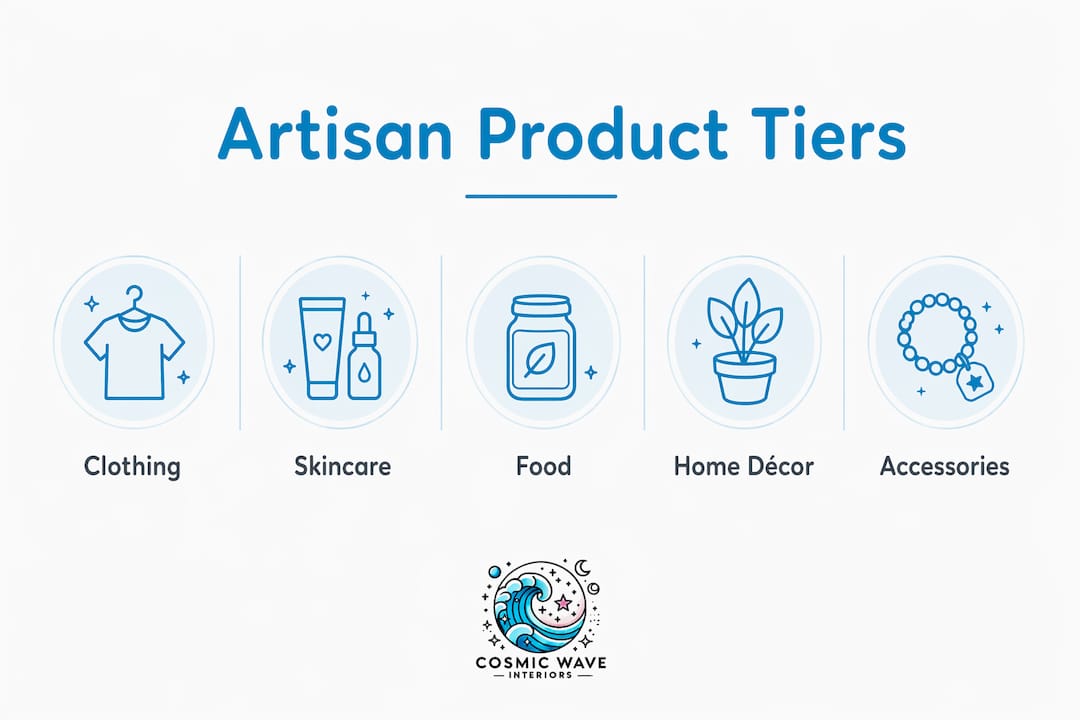
The range of top Canadian artisan products in 2026 is broader than most shoppers expect. Clothing, accessories, skincare, food gifts, and home décor all have strong Canadian artisan representation. Knowing which names and categories to look for saves time and guarantees quality.
Clothing and accessories
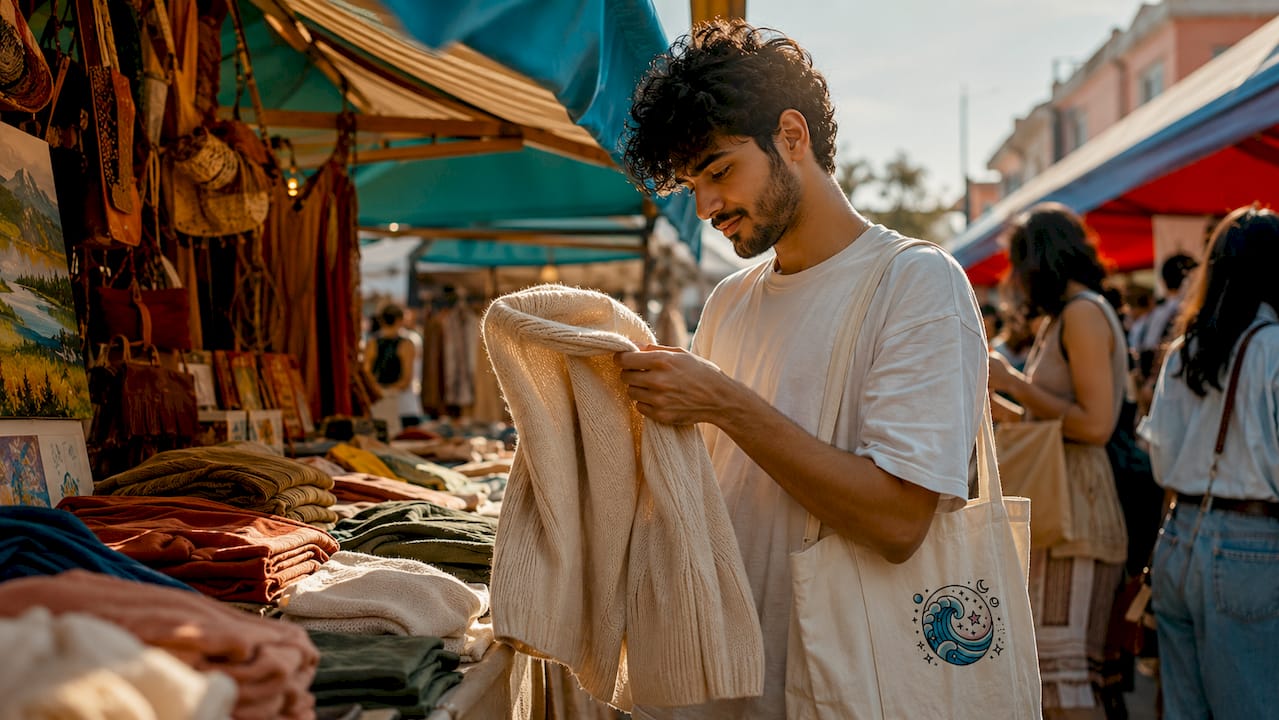
Encircled is a certified B Corporation producing slow-fashion clothing with full supply chain transparency. Veinage crafts handmade leather goods with prices starting around $34 CAD, making quality leather accessible without sacrificing ethics. MINI TIPI specialises in Indigenous textiles, with each piece tied to a specific artist and community. These three brands represent the gold standard for Canadian artisan fashion in 2026.
Skincare and personal care
Small-batch producers like Savonnerie Saponaria and Muskoka Lavender offer artisanal personal care with prices ranging from $6–$25 CAD. Savonnerie Saponaria’s lip balms cost around $5.95 and soap bars near $8. That price point makes handmade skincare genuinely accessible. Cosmicwavebaby carries a curated selection of handcrafted soaps, including lavender and white sage and blood orange and thyme varieties made by Canadian artisans.
Food and gift categories
Single-origin maple syrup is the top recommended Canadian gift for visitors and locals alike. Functional, symbolic, and deeply Canadian, it outperforms generic souvenir blends on every measure. Ice wine, Indigenous art prints, and hand-spun wool items round out the most popular gift categories. Artisan food producers also use traditional methods, such as 24-hour slow-culture processes, to create flavours and health benefits that industrial production cannot match.
| Category | Standout examples | Price range (CAD) |
|---|---|---|
| Slow fashion | Encircled, Veinage leather goods | $34 and up |
| Indigenous textiles | MINI TIPI | Varies by piece |
| Artisan skincare | Savonnerie Saponaria, Muskoka Lavender | $6–$25 |
| Food gifts | Single-origin maple syrup, cultured butter | $15–$60 |
| Home décor and accessories | Beaded coasters, handcrafted soaps | $10–$80 |
Cosmicwavebaby’s beaded butterfly coaster set is a strong example of how home décor can carry genuine Indigenous artistry into everyday life.
How to shop intentionally from Canadian artisan brands
Shopping with intention means knowing what to look for before you buy. The artisan market in Canada has grown, and not every product labelled “handmade” meets the same standard. These steps help you shop authentically.
-
Check for certifications. B Corp status, Indigenous certification marks, and organic designations are not marketing language. They are verified commitments. Encircled’s B Corp certification, for example, is independently audited.
-
Verify material sourcing. Authentic Canadian maple syrup should carry single-origin and organic certification documentation. The same principle applies to leather, textiles, and skincare ingredients. Ask for documentation if it is not listed.
-
Expect longer timelines. Small-batch Canadian artisan production often requires 15 or more business days due to ethical, handmade processes. Plan ahead, especially for gifts. A longer wait is a sign of quality, not inefficiency.
-
Buy directly from makers or vetted marketplaces. Purchasing directly from an artisan or through a curated platform like Cosmicwavebaby guarantees the maker receives fair compensation. Generic retail channels often dilute both quality and payment.
-
Avoid mass-produced souvenirs. Generic “Canadian” products sold in airport shops rarely involve Canadian makers at all. The packaging may say Canada, but the production chain often does not.
Pro Tip: Look for the story behind the product on the brand’s website or product page. Authentic artisans describe their process, their materials, and their community. If that information is missing, the product probably is not what it claims to be.
What impact does shopping Canadian artisan brands have on communities?
Supporting local artisans creates economic ripple effects that extend well beyond the individual transaction. When you buy from an Indigenous maker, royalties and revenue stay within that community. Families reinvest in education, housing, and cultural programming. The economic benefit is direct and traceable in a way that buying from a large retailer simply is not.
Cultural preservation is equally significant. Traditional crafts, weaving techniques, beadwork patterns, and food preparation methods survive because people practise them. When those practices generate income, they continue. When they do not, they disappear. Buying a beaded piece or a hand-woven textile is a vote for keeping that knowledge alive.
The environmental case is strong as well. Small-batch, local production generates far less waste than industrial manufacturing. Shorter supply chains mean fewer emissions. Natural materials biodegrade. The slow production model that makes artisan goods more expensive also makes them significantly less harmful to the environment.
“Every purchase from a Canadian artisan is a decision to invest in a person, a tradition, and a community. That choice builds something that mass production never can: a living connection between maker and buyer, rooted in place and purpose.”
The relationship between maker and buyer also changes how you experience the product. Knowing who made your soap, your earrings, or your baby’s teether adds meaning that no mass-produced item can offer. That connection is not sentimental. It is the foundation of a more thoughtful way to shop.
Key takeaways
Canadian artisan brands offer the clearest path to ethical, meaningful shopping in 2026, combining fair wages, cultural heritage, and lasting quality in ways that mass production cannot replicate.
| Point | Details |
|---|---|
| Ethical production is the baseline | Canadian artisan brands like Encircled and Veinage build fair wages and material transparency into every product. |
| Indigenous brands create community impact | Brands like MINI TIPI direct royalties back to artists and communities, making every purchase an act of support. |
| Plan for longer timelines | Small-batch production often takes 15 or more business days; order early, especially for gifts. |
| Verify before you buy | Look for B Corp status, Indigenous certification marks, and single-origin documentation to confirm authenticity. |
| Price reflects real value | Higher price points in artisan goods reflect fair labour and quality materials, not markup for its own sake. |
Why I keep coming back to Canadian artisan goods
I have spent years watching the artisan market in Canada grow from a niche interest into a genuine movement. What strikes me most is not the craftsmanship, though that is extraordinary. It is the honesty. When you hold a piece of vegetable-tanned leather from a Canadian maker, or unwrap a bar of handcrafted soap, you are holding something that required real time and real skill. There is no shortcut in it.
The products I return to most are the ones with a clear story. I know who made them, where the materials came from, and why the maker chose that particular process. That knowledge changes how I use the item and how long I keep it. I have never thrown away something I truly understood.
My strongest advice is this: resist the pull of convenience when it comes at the cost of meaning. A handcrafted piece from a Canadian artisan, especially an Indigenous maker, carries weight that a mass-produced equivalent never will. That weight is worth paying for. It is worth waiting for. And it is worth telling other people about.
— China
Artisan finds at Cosmicwavebaby
Cosmicwavebaby is an Indigenous-owned Canadian marketplace where every product is chosen with care. The shop carries handcrafted baby products, Indigenous jewellery, artisan soaps, home décor, and meaningful gifts from Canadian makers and small businesses.
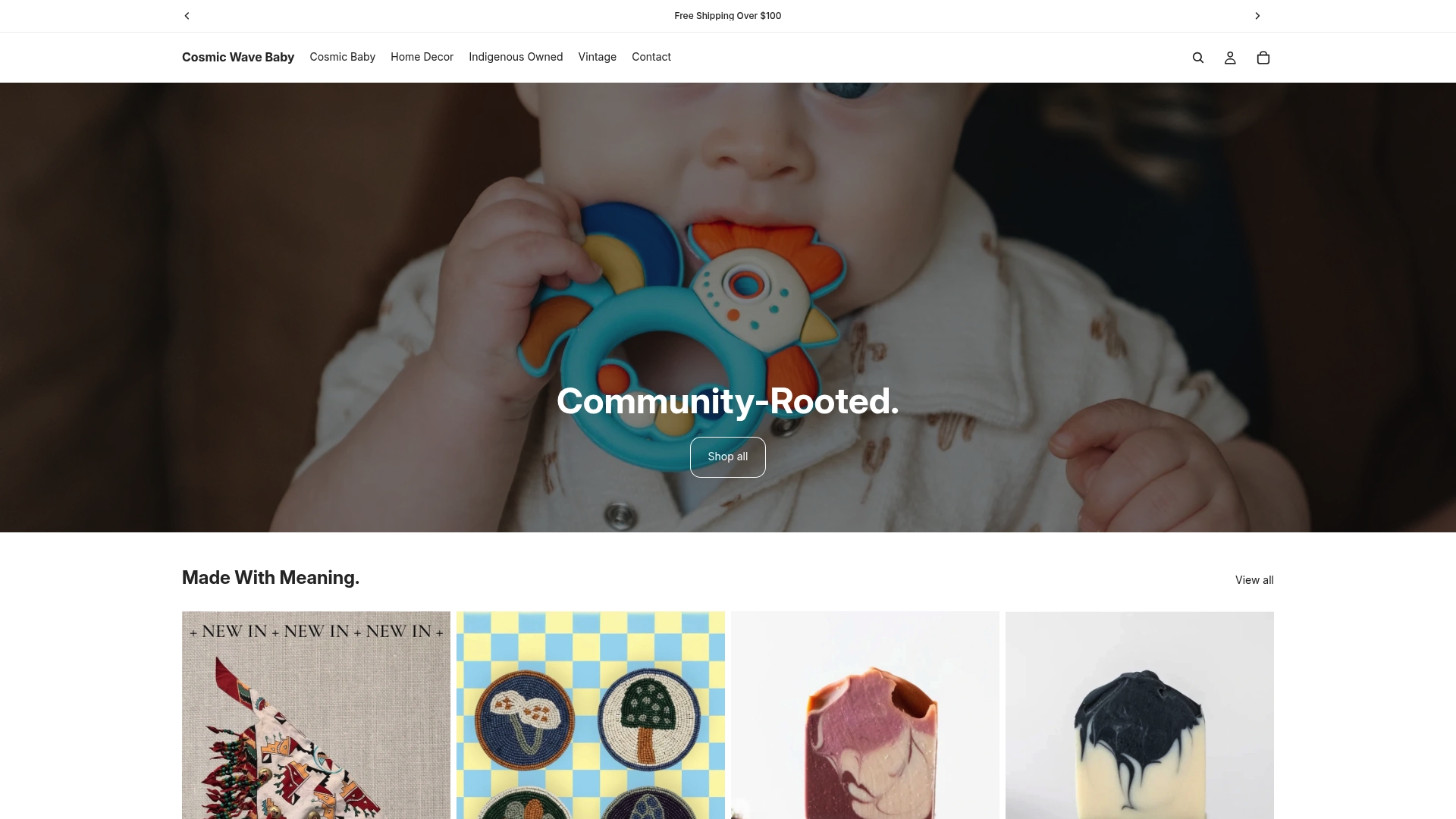
Families looking for a safe silicone baby teether will find BPA-free options made with the same intention as every other product in the shop. For those seeking unique gifts, the Hudson Bay beaded earrings and beaded headband scarves reflect authentic Indigenous artistry. Every purchase at Cosmicwavebaby supports real Canadian makers and keeps traditional crafts alive for the next generation.
FAQ
What are Canadian artisan brands?
Canadian artisan brands are small-scale producers who create handcrafted goods using ethical materials, fair wages, and transparent supply chains. They include slow-fashion labels, Indigenous textile makers, artisan food producers, and handmade skincare lines.
How do I know if a Canadian artisan product is authentic?
Look for B Corp certification, Indigenous certification marks, or single-origin documentation on food products. Authentic makers describe their materials and process clearly on their product pages.
Why do Canadian artisan products cost more than mass-produced goods?
The higher price reflects fair wages, quality materials, and small-batch production. Slow fashion brands in Canada are transparent about these costs because ethical production is genuinely more expensive than factory manufacturing.
How long does it take to receive a handmade Canadian artisan order?
Most small-batch Canadian artisan producers require 15 or more business days to fulfil orders. Plan ahead when ordering gifts, particularly for holidays or special occasions.
Where can I shop for Canadian artisan goods online?
Cosmicwavebaby is an Indigenous-owned online marketplace carrying handcrafted baby products, Indigenous jewellery, artisan soaps, and home décor from Canadian makers. Buying through a curated platform guarantees the maker receives fair compensation.